Roofing for the Game: How Roofs Power the Laser Tag Experience

When people think of laser tag, they picture glowing arenas, neon lights, smoke machines, and the thrill of dodging invisible lasers. What they don’t usually think about is the roof above it all — silently doing its job so the game can go on, rain or shine. But the truth is, every epic laser tag battle depends on one unsung hero: a good roof.

From large entertainment complexes to warehouse-style arenas and family game centres, roofing plays a crucial role in creating the perfect battleground. And if you’re planning to build, renovate, or maintain a laser tag venue — whether it’s a retro arcade hangout or a high-tech combat zone — understanding roofing isn’t just practical. It’s essential. Let’s explore why.

1. The Roof Sets the Scene — Literally

A laser tag arena isn’t your average commercial space. The lighting, acoustics, and temperature all have to be just right to create that immersive, otherworldly experience. The roof plays a massive role in achieving this.

For instance, an insulated metal roof helps control temperature, preventing heat buildup from stage lights, fog machines, and all the running players. A properly sealed roof also ensures no water leaks through — nothing kills the mood like a drip landing on your head mid-battle.

Many laser tag arenas are built inside converted warehouses or large buildings. These spaces often need roof upgrades to handle new wiring, sound insulation, and suspended obstacles. The better the roof, the more stable and immersive the arena feels — transforming a regular space into a futuristic battlefield.

2. Residential Roofing: Because Even Laser Warriors Go Home

After hours of ducking, rolling, and dodging lasers, everyone heads home to recharge — and that’s where roofing still plays a part. Imagine finishing a thrilling match, only to return to a house with leaks, drafts, or missing shingles. A sturdy, reliable roof is what makes “game night” possible in the first place.

Your home roof keeps your gear dry, your energy bills low, and your space comfortable. It might not glow under UV lights or pulse to techno beats, but it’s the stage for real life. For those who love gaming, a well-roofed home means comfort, peace, and fewer distractions — because nothing breaks your concentration like a dripping ceiling during your online rematch.

3. Business Roofing: Protecting the Laser Tag Industry

Behind every popular laser tag centre is a serious business investment — and the roof is one of its biggest protectors. Commercial roofs shield not just players, but also lighting systems, wiring, fog machines, scoreboards, and décor that cost thousands of dollars.

Whether it’s a single-location family entertainment centre or a national franchise, roofing is an investment in reliability. A leak or sag in the roof could shut down the arena for repairs, resulting in lost revenue and disappointed players. That’s why smart business owners in the entertainment space prioritise roofing maintenance and inspections — because downtime is the true enemy in the game of business.

In Whanganui, for example, Roofing Whanganui has been known to help commercial spaces, including recreation centres, protect their investments with quality roofing that stands up to New Zealand’s unpredictable weather. A strong roof doesn’t just keep the rain out — it keeps the lights on, the lasers working, and the fun flowing.

4. The Design Factor: Roofs Shape the Experience

Believe it or not, the design of the roof can actually influence the gameplay in a laser tag arena. High, vaulted ceilings create more room for sound and light effects, giving players that cinematic “space war” feeling. Lower ceilings, on the other hand, create a tighter, more tactical environment — great for ambushes and stealth missions.

In multi-level arenas, roof design also affects safety, ventilation, and structure. A well-designed roof can support lighting rigs, sound panels, and even suspended platforms or bridges for advanced game maps. So when an architect or roofer works on a laser tag venue, they’re not just building protection — they’re shaping the atmosphere of every future match.

5. Maintenance: Because Even the Best Roofs Take a Hit

In laser tag, no matter how good your strategy is, you’re bound to take a few hits. Roofing’s no different. Over time, exposure to the elements wears down materials, especially in areas with strong sun, heavy rain, or coastal winds.

That’s why regular inspections and maintenance are vital — not only for safety but for keeping your space operational and inviting. A leak-free, temperature-controlled environment ensures guests stay comfortable, electronics stay safe, and business stays profitable.

Think of maintenance like recharging your laser gun — you wouldn’t start a match without checking your gear, right? The same logic applies to your roof.

6. The Future of Roofing and Laser Tag

Both roofing and laser tag have come a long way from their origins. Modern roofing now uses smart materials that reflect heat, improve energy efficiency, and even support solar panels — perfect for reducing the carbon footprint of a laser tag centre. Meanwhile, laser tag itself is evolving with augmented reality and advanced lighting technology.

Imagine a laser tag arena powered by solar panels on its own roof — players having a blast while the building sustains itself sustainably. The line between entertainment and innovation keeps getting thinner, and roofing plays an unseen but crucial role in bridging the two.

Final Thoughts

At first glance, roofing and laser tag seem like worlds apart — one’s about hard hats, the other about glowing vests. But look deeper, and you’ll see both rely on precision, preparation, and protection. Without a solid roof, there’s no arena. Without care and maintenance, there’s no safe space to play, gather, or grow.

So the next time you’re ducking behind a barrier or aiming for a high score, spare a thought for the roof above your head — the quiet guardian making every laser beam possible. Whether it’s your home, your business, or your next gaming adventure, the roof is always part of the story.
Why Regular PC Maintenance is Crucial for Long-Term Performance

A personal computer (PC) has become a vital tool in daily life for work, entertainment, communication, and more. With frequent use, however, its performance can decline over time due to accumulated software issues, hardware wear, and other factors. Regular maintenance is essential to ensure a PC operates efficiently for years, avoiding costly repairs or even the need for a replacement. Here’s why consistent maintenance is crucial for the long-term performance of a computer.

1. Improved Speed and Efficiency

One of the most noticeable benefits of regular PC maintenance is improved speed and efficiency. Over time, the hard drive or solid-state drive (SSD) becomes cluttered with unnecessary files, including temporary files, browser cache, system logs, and old downloads. These files not only occupy valuable storage space but can also slow down system performance. By regularly cleaning up these files, you free up space and help the system run faster.

Additionally, fragmented files, especially on traditional hard drives, can lead to slower read and write times. Defragmenting the hard drive—an essential part of regular maintenance—arranges files in a more efficient manner, allowing quicker access and faster performance. SSDs are not as susceptible to fragmentation, but they still benefit from regular software optimization.

2. Prevention of Overheating

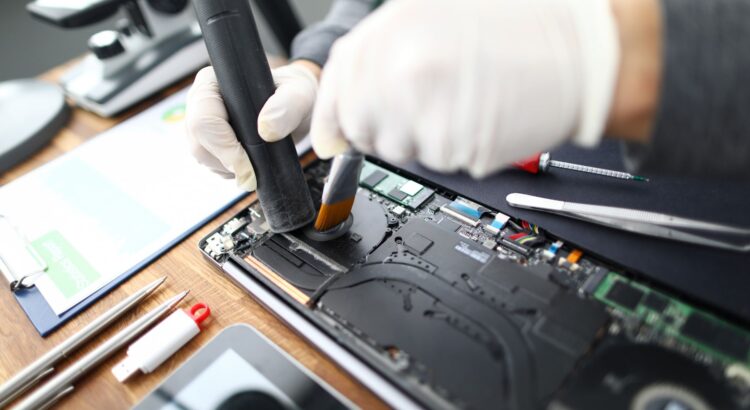
PCs generate a considerable amount of heat while running, and excessive heat can damage internal components, causing slowdowns or even hardware failure. Regular maintenance, including cleaning dust from internal parts such as fans, vents, and heat sinks, helps maintain proper airflow, preventing overheating. Dust and debris can accumulate inside the computer, obstructing fans and cooling systems. Overheating can lead to throttling, where the CPU slows down to avoid damage, or permanent damage to components like the motherboard or processor.

By taking the time to clean your PC’s internal components periodically, you help ensure that air can flow freely and that the system operates at an optimal temperature, reducing the risk of heat-related issues.

3. System Stability and Security

Regular maintenance also enhances system stability and security. Software updates, including operating system patches and driver updates, often contain fixes for vulnerabilities and bugs. Neglecting these updates can leave the system exposed to security risks, such as malware and cyberattacks. Automatic updates can be helpful, but it’s also necessary to check for updates manually to ensure that everything is up-to-date.

Besides software updates, running security scans to detect malware and viruses is crucial. Even if your system appears to be running well, it could be silently harboring harmful software that compromises your data and slows down performance. Regular virus scans and the use of a trusted antivirus program can prevent these issues and keep your computer running securely.

4. Extending the Life of Your PC

A well-maintained PC is more likely to last longer. Regularly checking and replacing worn-out components—such as cooling fans, the power supply, and even the battery—can extend the life of your computer. Hardware components degrade over time, but routine checks and replacements can prevent catastrophic failures that would otherwise necessitate an expensive repair or a full system replacement.

Additionally, keeping the operating system and hardware drivers up-to-date ensures that your PC stays compatible with new software and applications. This helps your system run smoothly and prevents it from becoming obsolete sooner than necessary.

5. Reducing the Risk of Data Loss

Data loss is one of the most serious consequences of a neglected computer. Hard drives, whether mechanical or solid-state, have finite lifespans. Regular maintenance includes creating backups, which helps ensure that you don’t lose important files and documents in the event of hardware failure. Automated backup tools can make this process simple by backing up data to cloud services or external storage devices regularly.

Aside from backups, checking the health of your hard drive or SSD is also important. Using built-in tools or third-party programs to monitor the health of the drive can alert you to potential issues before they become catastrophic. For example, monitoring bad sectors or signs of wear on the storage drive can help you plan a replacement before complete failure occurs.

6. Enhancing User Experience

A computer’s performance directly impacts the user experience. Lagging applications, slow startup times, and delayed responses can lead to frustration and decreased productivity. Regular maintenance ensures that these issues are minimized by addressing root causes such as software bloat, unnecessary background processes, and hardware degradation.

By keeping unnecessary startup programs in check, uninstalling unused applications, and removing malware, you can streamline the system to provide a smoother, more responsive experience. Additionally, optimizing settings for performance—such as adjusting visual effects in the operating system—can enhance the overall usability of the computer, making tasks more enjoyable and efficient.

7. Cost Savings

Though regular maintenance might seem like an unnecessary expense or task, it can save you money in the long run. Performing routine maintenance—like cleaning hardware, updating software, and backing up data—reduces the likelihood of costly repairs or replacements. When problems are caught early, they can often be fixed with small, inexpensive interventions rather than major repairs or the need for a new PC altogether.

For example, simple tasks like running disk cleanups or managing startup programs can significantly improve performance without the need for expensive upgrades. Additionally, regular maintenance helps avoid emergency IT services or the high costs associated with fixing a system that has been neglected for too long.

8. Ensuring Compatibility with New Software

Technology evolves quickly, and new software and applications often require higher system specifications. A regular maintenance routine ensures that your PC remains compatible with newer software releases, especially when it comes to operating systems and critical drivers. If your system is not maintained, it might not meet the minimum requirements for future updates or new applications, leading to slower performance or even incompatibility with important software.

Conclusion

Regular maintenance is crucial for the long-term performance of a PC. From improving speed and efficiency to preventing overheating and extending the life of your computer, routine upkeep ensures that your PC remains functional and secure. By adopting a proactive approach to maintenance, you reduce the risk of data loss, system crashes, and costly repairs while enhancing your overall user experience. A well-maintained PC can serve you for years, providing reliable performance and avoiding unnecessary frustrations or costs.

Storing your PC at home? We understand that the rainy season can be tougher these days. It’s important to have proper drainage in place wherever you are, so you can keep your PC dry and clean. Protecting your equipment from water damage is essential for maintaining its performance and longevity. Make sure your storage area is safe and secure to avoid any unnecessary risks.

Maximizing Your PC’s Performance: Upgrade Tips from the Experts

In the fast-evolving world of technology, ensuring your PC runs at its peak performance is crucial for both work and play. Whether you’re a gamer, content creator, or someone who simply wants to enhance your computing experience, upgrading your PC is one of the most effective ways to boost its speed, efficiency, and overall performance. However, it’s easy to get lost in the sea of hardware options and technical jargon. This guide provides expert advice on maximizing your PC’s performance through upgrades that make a real difference.

1. Upgrade Your RAM for Multitasking Efficiency

Random Access Memory (RAM) is one of the most critical components when it comes to improving your PC’s performance. The amount of RAM directly influences your computer’s ability to handle multiple tasks at once, and upgrading it can provide a noticeable boost, especially for multitasking or running resource-heavy applications.

Expert Tip: If you frequently run memory-intensive programs like video editing software, 3D modeling tools, or high-end games, increasing your RAM to 16GB or even 32GB will significantly enhance your PC’s performance. For typical everyday use, however, 8GB is usually sufficient.

What to look for: When purchasing RAM, ensure it’s compatible with your motherboard (check the maximum supported capacity and the speed of RAM it supports). DDR4 RAM is the most common for modern systems, but DDR5 RAM is emerging as the new standard, offering faster speeds and greater efficiency.

2. Switch to a Solid State Drive (SSD)

If your PC is still using a traditional Hard Disk Drive (HDD), upgrading to a Solid State Drive (SSD) will likely offer the most noticeable performance boost. SSDs are significantly faster than HDDs, meaning your system will boot up quicker, programs will load faster, and files will be saved and accessed more efficiently.

Expert Tip: If you can’t afford to replace your entire drive, consider installing a smaller SSD (like 250GB or 500GB) to serve as your primary drive for your operating system and most-used applications. Keep larger files, like videos and photos, on a secondary HDD to maximize both speed and storage.

What to look for: Look for SATA III or NVMe SSDs. NVMe SSDs offer even faster read/write speeds, particularly if your motherboard supports PCIe slots, which deliver even higher performance than SATA.

3. Upgrade Your Graphics Card for Better Gaming and Multimedia

For gamers, designers, and video editors, the graphics card (GPU) is one of the most important upgrades you can make. Modern GPUs have immense processing power that can significantly enhance visual performance in games, rendering tasks, and video editing software. Whether you’re aiming for 4K gaming or smoother video playback, a better GPU will elevate your experience.

Expert Tip: When upgrading your GPU, consider your specific needs. Gamers aiming for high frame rates at 1080p or 1440p can opt for mid-range GPUs, while those into 4K gaming or VR should look at high-end GPUs from brands like NVIDIA or AMD. Make sure your power supply can handle the new card, as high-end GPUs often require more power.

What to look for: Look for GPUs with more VRAM (video memory) for better performance at higher resolutions. Additionally, check that the GPU is compatible with your motherboard’s PCIe slots (most modern systems support PCIe 3.0 or 4.0).

4. Improve Your Cooling System

When you push your PC’s components to their limits, whether through gaming, video rendering, or heavy multitasking, managing heat is essential. Without adequate cooling, your system could throttle performance to prevent overheating, which can result in slower speeds and even damage to your components over time.

Expert Tip: If you notice that your PC gets excessively hot under load, it’s time to upgrade your cooling system. Consider adding extra case fans, upgrading to more efficient CPU cooling (such as a larger air cooler or liquid cooling), and ensuring your system has proper airflow to keep temperatures in check.

What to look for: Look for high-quality thermal paste, additional case fans with good airflow, or even a liquid cooling solution if you’re planning to overclock your CPU.

5. Overclocking Your CPU and GPU

Overclocking is the process of increasing the clock speed of your CPU and/or GPU beyond the factory settings to extract additional performance. While this can lead to significant speed gains, it also generates more heat and requires stable cooling systems.

Expert Tip: If you’re comfortable with tweaking system settings, overclocking can provide a noticeable performance increase without needing to buy new components. Ensure your cooling is adequate before attempting to overclock, and monitor the system for stability and temperatures to avoid damaging your hardware.

What to look for: Ensure your motherboard supports overclocking (some lower-end boards don’t), and choose a processor and GPU that are unlocked for overclocking (look for models with “K” or “X” in their names, like Intel’s i7-11700K or AMD’s Ryzen 9 5900X).

6. Upgrade Your Power Supply

Upgrading your power supply (PSU) might not always seem like an obvious upgrade, but it’s crucial for overall system stability, especially if you’re upgrading other components like your GPU. A reliable PSU will ensure that your components receive stable and adequate power, minimizing the chances of system crashes or instability.

Expert Tip: Choose a PSU with sufficient wattage to support your system’s power demands, and always go for a high-quality, reputable brand. If you plan to add high-performance components or overclock your system, aim for a PSU with at least 80 Plus Gold certification for energy efficiency.

What to look for: Calculate the total power requirement of your system (most online calculators can help with this) and ensure the PSU you purchase provides slightly more power than what your system needs. Opt for modular PSUs if you want cleaner cable management.

7. Consider a New Motherboard

Upgrading your motherboard is not always necessary but may be required when you are upgrading key components like the CPU or RAM. A new motherboard can also unlock newer technologies such as PCIe 4.0, faster memory support, or better CPU socket compatibility.

Expert Tip: If you’re looking to take full advantage of the latest technology, like faster memory, PCIe 4.0 SSDs, or the latest generation of processors, upgrading your motherboard may be a wise decision.

What to look for: Ensure the motherboard is compatible with your chosen CPU and RAM. Look for additional features like USB-C ports, Wi-Fi 6, and support for the latest PCIe slots.

8. Regular Software Maintenance

While hardware upgrades are a great way to improve performance, don’t overlook the importance of keeping your system’s software in top shape. Regular maintenance tasks like cleaning up your hard drive, updating drivers, and disabling unnecessary startup programs can also contribute to smoother performance.

Expert Tip: Use disk cleanup tools and defragmentation (for HDDs) or trim (for SSDs) to keep your storage running efficiently. Ensure all your drivers are up-to-date and consider using performance optimization software to monitor and fine-tune your system.


Conclusion

Upgrading your PC’s performance is an investment in both productivity and enjoyment. Whether you’re looking to speed up your workflow, enhance gaming experiences, or future-proof your system, these expert tips will help you get the most out of your hardware. By carefully selecting upgrades that align with your specific needs, you’ll not only boost your PC’s performance but also extend its lifespan, ensuring that it continues to serve you well for years to come.

Do you want to get your invoice cashed for your PC-related business? A solution like factoring services could help you. By selling your outstanding invoices, you can access immediate cash flow to keep your business running smoothly. It’s a great way to stay on top of your finances without the wait.

The Future of Computing: What’s Next in PC Hardware and Technology

The future of computing is an exciting and transformative journey, one that will redefine how we interact with technology, conduct business, and enhance daily life. As we look ahead to the next decade, the PC hardware and technology landscape is poised to undergo significant advancements, driven by innovations in processing power, storage, connectivity, and form factors. In this article, we will explore key trends and emerging technologies that are shaping the future of computing, from quantum computing to AI integration and beyond.

1. Quantum Computing: A New Era of Processing Power

Quantum computing has long been a concept shrouded in mystery and potential, but it is now moving closer to becoming a reality. Quantum computers leverage the principles of quantum mechanics to perform computations that would be impossible or impractical for classical computers. Unlike traditional bits, which can be in a state of either 0 or 1, quantum bits (qubits) can exist in multiple states simultaneously, allowing for parallel processing of information on an unimaginable scale.

While quantum computing is still in its infancy, its potential applications are vast. From solving complex simulations in chemistry and physics to optimizing supply chains and cryptography, quantum computers could revolutionize entire industries. For PC hardware, this could mean the advent of hybrid systems, where traditional processors work in tandem with quantum processors, offering unparalleled performance for specific tasks.

In the coming years, breakthroughs in quantum hardware, error correction techniques, and software development will likely bring quantum computing closer to commercial viability. While we may not see consumer quantum PCs anytime soon, the integration of quantum processors into specialized industries and research will pave the way for broader adoption.

2. Artificial Intelligence and Machine Learning: Smarter PCs

Artificial Intelligence (AI) and Machine Learning (ML) are already transforming the way we interact with computers, and their impact will only continue to grow. Modern PCs are being equipped with specialized hardware designed to accelerate AI and ML workloads. Graphics Processing Units (GPUs), once primarily used for rendering graphics, are now indispensable for training AI models and running deep learning algorithms.

The future of AI in PC hardware will likely involve even more powerful and energy-efficient processors designed specifically for AI tasks. NVIDIA, Intel, and AMD are all investing heavily in AI-focused chips, and we can expect the development of custom silicon tailored for specific AI functions. These advances could lead to PCs with built-in AI capabilities, allowing for smarter systems that adapt to user preferences, predict tasks, and optimize performance automatically.

For consumers, this could mean devices that are not only faster but also more intuitive. Voice assistants, predictive algorithms, and personalized recommendations will become more sophisticated, offering a seamless and highly responsive user experience. As AI continues to improve, we may even see AI-driven hardware optimization that automatically adjusts power consumption, performance, and cooling to suit individual workloads.

3. The Rise of 5G and Beyond: Connecting Everything

Connectivity is another area poised for dramatic change in the coming years. 5G technology is already rolling out, offering faster download speeds, lower latency, and more reliable connections. This technology will have a profound impact on PC hardware, as it enables new possibilities for cloud computing, gaming, and real-time collaboration.

As 5G becomes ubiquitous, it will enable PCs to offload computational tasks to the cloud, creating the possibility of “thin client” devices that rely on cloud-based processing rather than local hardware. This shift could make high-performance computing more accessible, as users would no longer need to own expensive hardware to run resource-intensive applications like 3D rendering or data analysis.

Looking further ahead, 6G technology, which is already in the research phase, promises to take connectivity to even greater heights. With ultra-low latency and speeds that could exceed 100 times that of 5G, 6G could enable applications like real-time holographic communication, immersive mixed reality, and ultra-responsive remote control of devices.

4. Storage Evolution: From SSDs to Memory-based Storage

Storage technology has come a long way since the days of bulky hard drives. Solid State Drives (SSDs) have replaced traditional hard disks in most modern PCs, offering faster read and write speeds, reduced power consumption, and greater durability. However, the next frontier in storage technology is memory-based storage, such as Intel’s Optane or emerging non-volatile memory (NVM) technologies.

Memory-based storage promises to combine the speed of memory with the persistence of storage, enabling faster boot times, quicker application load times, and more responsive system performance. This could pave the way for PCs with near-instantaneous file access, effectively eliminating the need for traditional hard drives or SSDs altogether. Additionally, as memory densities increase, storage capacities will grow, allowing users to store massive amounts of data in smaller and faster form factors.

The continued miniaturization of storage devices will also contribute to thinner, lighter, and more power-efficient laptops and desktops, enabling more portable computing devices without sacrificing performance.

5. The Future of PC Form Factors: Flexibility and Portability

As technology advances, the form factors of PCs are likely to become more flexible, portable, and customizable. Foldable and rollable screens are already being developed, allowing for compact devices that can expand into larger displays when needed. Laptops could become more versatile, able to transform into tablets or even wearable devices, providing users with a range of computing experiences depending on the situation.

Modular PCs, where users can easily swap out and upgrade individual components, may also become more common. This could allow consumers to customize their systems to meet specific needs, whether for gaming, content creation, or business productivity. Over time, these modular systems could become more standardized, making it easier to upgrade individual parts without replacing the entire device.

Moreover, with the rise of augmented reality (AR) and virtual reality (VR), future PCs may be integrated into lightweight headsets or glasses, providing users with immersive computing experiences without the need for bulky desktop setups.

6. Sustainability in PC Hardware: Green Computing

As technology continues to advance, the environmental impact of computing will become an increasingly important consideration. The future of PC hardware will likely involve greater efforts to reduce energy consumption, minimize e-waste, and use sustainable materials. Manufacturers are already working to create more energy-efficient processors, reduce the carbon footprint of production, and recycle old components.

The push for sustainability may also lead to more innovative cooling solutions, such as liquid cooling or even passive cooling systems that reduce the need for fans and excessive power use. Additionally, the growing demand for cloud computing could shift the burden of energy-intensive computations to large data centers optimized for energy efficiency.

Conclusion

The future of computing holds vast potential, with exciting advancements in hardware and technology that will revolutionize how we work, play, and interact with the world around us. From quantum computing to AI integration, 5G connectivity, and beyond, the coming years will bring new innovations that redefine what is possible with PCs. As these technologies continue to evolve, the computing devices of tomorrow will become more powerful, smarter, and more accessible, shaping the digital world for generations to come.

Of course, it’s important to ensure your home is safe to protect your equipment. Make sure to repair any broken gutters, seal leaks, and address any potential issues that could lead to water damage. Taking these steps will help safeguard your equipment and maintain a secure environment, no matter the season.

How PC Micro is Revolutionizing Computer Repairs with Expert Service

In today’s fast-paced world, technology plays a pivotal role in nearly every aspect of our lives. From personal laptops to complex business systems, computers have become essential tools for both productivity and entertainment. However, with frequent use comes inevitable wear and tear, resulting in a myriad of technical problems ranging from minor software glitches to hardware failures. As a result, the need for professional and efficient computer repair services has never been higher. One company, PC Micro, is at the forefront of this industry, revolutionizing computer repairs with expert service that ensures customers experience minimal downtime and maximum functionality.

Comprehensive Expertise in Computer Repairs

PC Micro has established itself as a trusted name in the world of computer repair by offering a broad range of services designed to address the diverse needs of consumers. Whether you are dealing with a slow computer, software issues, or a broken screen, PC Micro offers tailored solutions to ensure that every problem is resolved effectively. Their team of skilled technicians has a deep understanding of both hardware and software, making them well-equipped to handle issues with laptops, desktops, and even mobile devices.

What sets PC Micro apart is their ability to diagnose and repair issues with precision and expertise. They utilize state-of-the-art diagnostic tools and testing equipment to identify problems quickly, which saves customers valuable time. Unlike many other repair services that take a trial-and-error approach, PC Micro’s technicians are trained to pinpoint the root cause of issues the first time, which reduces the likelihood of recurrent problems.

Fast and Efficient Service

In a world where time is of the essence, PC Micro recognizes the importance of offering fast and efficient service. When a computer malfunctions, it can have a significant impact on productivity, whether it’s for an individual or a business. Therefore, PC Micro strives to provide rapid turnaround times for all repairs. Customers can often expect to have their devices fixed within a matter of hours or a few days, depending on the complexity of the issue.

This speed does not come at the expense of quality. The technicians at PC Micro prioritize delivering exceptional repair work without cutting corners. Whether it involves replacing a faulty component, upgrading system memory, or removing viruses, each repair is carried out meticulously, ensuring that the device is returned in optimal working condition.

On-Site and Remote Support Options

Understanding that some customers may not be able to visit a physical store, PC Micro offers flexible on-site and remote support services. Their on-site support allows technicians to come directly to the customer’s location, whether it’s at home or in the office. This convenience is particularly beneficial for businesses with multiple computers or for individuals who lack the time or ability to bring their device to a repair center.

For less complex issues, PC Micro also offers remote support. This service enables their technicians to access a customer’s computer remotely, troubleshoot problems, and implement fixes without needing to be physically present. Remote support is an excellent solution for resolving software issues such as system crashes, virus infections, or minor configurations, making it a convenient option for customers who need fast help without leaving their home or office.

Customer-Centered Approach

At the heart of PC Micro’s service is a customer-centered approach that prioritizes clear communication, trust, and satisfaction. From the moment a customer contacts the company, they are met with friendly and knowledgeable staff who take the time to listen to the issue at hand. The technicians explain potential solutions in a way that is easy to understand, ensuring that customers are fully informed about their options.

PC Micro goes above and beyond by providing upfront pricing and transparency. Unlike many repair services that charge hidden fees or offer vague estimates, PC Micro provides a clear breakdown of the costs involved before any work is done. This level of transparency not only builds trust but also ensures that customers are never caught off guard by unexpected charges.

In addition to expert repairs, PC Micro is committed to educating customers about maintaining their devices to prevent future issues. The company offers valuable advice on optimizing performance, installing necessary updates, and backing up data. Their aim is not only to fix problems but also to empower customers with the knowledge to keep their computers running smoothly in the long run.

Commitment to Quality and Security

When it comes to computer repairs, quality and security are paramount. PC Micro understands the potential risks involved in handling sensitive data, especially when working with business systems or personal information. As such, the company adheres to strict security protocols to ensure that all repairs are conducted with the utmost care and confidentiality. Data privacy is taken seriously, and customers can rest assured that their personal files and sensitive information are protected throughout the repair process.

Moreover, PC Micro uses only high-quality replacement parts from trusted manufacturers, ensuring that repairs are long-lasting and effective. Whether it’s a motherboard, hard drive, or power supply unit, PC Micro sources components that meet or exceed industry standards, providing customers with peace of mind knowing that their device is in good hands.

The Future of Computer Repairs

As technology continues to evolve, so too does the field of computer repairs. PC Micro stays ahead of the curve by continuously updating its repair practices to keep up with the latest advancements in hardware and software. Their technicians are regularly trained to handle emerging technologies, from the latest operating systems to cutting-edge hardware components. This commitment to staying current ensures that PC Micro remains a leader in the industry and can continue to offer expert service to customers for years to come.

In an increasingly digital world, where computer performance can directly impact work and personal life, PC Micro’s dedication to providing expert, efficient, and customer-oriented repair services makes them a game changer in the computer repair industry. By prioritizing fast turnaround times, expert knowledge, and a customer-first approach, PC Micro has set a new standard for computer repairs that many others will have to follow. Whether you’re dealing with a broken laptop screen or a malware-ridden desktop, PC Micro ensures that the road to repair is as smooth and hassle-free as possible.

Choosing the Right PC Components: A Guide for Building Your Ideal Setup

Building your own PC can be a rewarding and cost-effective way to ensure your system meets your needs. Whether you’re gaming, editing videos, working with heavy software, or simply browsing the web, the right components can enhance your overall experience. This guide will take you through the essential components you need to consider when building your ideal setup.

1. Central Processing Unit (CPU)

The CPU is the heart of your computer. It processes the instructions that make everything work, from opening a document to running complex calculations in a game. When selecting a CPU, you’ll typically choose between Intel and AMD, with both brands offering high-performance options.

Intel is often preferred for gaming due to its high clock speeds and strong single-core performance, which is crucial for many games. AMD, on the other hand, is a strong contender with its Ryzen series, offering excellent multi-core performance, which is beneficial for tasks like video editing or running virtual machines.

When selecting your CPU, consider the following:

  • Core Count: For general use, a quad-core CPU should suffice, but for gaming or professional work (video editing, 3D rendering), aim for a six-core or higher.
  • Clock Speed: Measured in GHz, this dictates how quickly the CPU can process data. A higher clock speed typically results in better performance, but it’s not the only factor.
  • Compatibility: Ensure your motherboard supports the CPU you choose. The CPU socket type (e.g., LGA 1200 for Intel or AM4 for AMD) must match the motherboard’s socket.

2. Motherboard (MB)

The motherboard is the main circuit board that connects all your components. When selecting a motherboard, consider the following factors:

  • Form Factor: This refers to the size of the motherboard. Common sizes include ATX (standard size), microATX, and mini-ITX. Larger boards often offer more features, such as additional RAM slots and expansion ports.
  • Socket Type: As mentioned above, ensure the motherboard’s socket matches your CPU’s.
  • Chipset: The chipset determines the motherboard’s compatibility with certain features, like overclocking or additional PCIe slots. High-end chipsets like the Intel Z-series or AMD X-series provide the most features.
  • Connectivity: Look for modern ports like USB 3.0/3.1, Ethernet, HDMI, and Wi-Fi support. If you’re looking for advanced connectivity, consider motherboards with Thunderbolt support or Wi-Fi 6.

3. Graphics Processing Unit (GPU)

For tasks that demand high graphics performance, such as gaming or video editing, the GPU is essential. The GPU handles rendering images and video output, making it a critical component for gaming or content creation.

  • NVIDIA vs. AMD: The two main GPU brands are NVIDIA and AMD, with NVIDIA’s GeForce RTX series dominating the gaming market due to its ray-tracing capabilities and DLSS (Deep Learning Super Sampling) technology. AMD’s Radeon cards also provide excellent performance and can offer better value, especially for mid-range builds.
  • VRAM (Video RAM): For gaming or video editing, look for a GPU with at least 6GB of VRAM. Higher amounts (8GB or 12GB) are preferable for demanding games or video rendering.
  • Compatibility: Ensure your motherboard has the appropriate PCIe slots for the GPU and that your PSU can provide enough power.

4. Random Access Memory (RAM)

RAM is your system’s short-term memory, temporarily storing data for the CPU to access quickly. The amount of RAM you need depends on your use case:

  • 8GB: Suitable for general use and light gaming.
  • 16GB: Ideal for gaming, multitasking, and moderate content creation.
  • 32GB or more: Best for demanding applications like video editing, 3D rendering, or running virtual machines.

When selecting RAM, consider the speed (measured in MHz) and latency (CL number). A higher MHz indicates faster data transfer speeds, while lower latency generally improves performance. Look for DDR4 RAM, as it’s the current standard.

5. Storage

You’ll need storage to keep your operating system, applications, and personal files. There are two main types of storage:

  • Solid-State Drives (SSD): SSDs offer faster read/write speeds than traditional hard drives, meaning faster boot times and quicker file transfers. Opt for an NVMe SSD for even faster speeds, as it connects directly to the motherboard.
  • Hard Disk Drives (HDD): While slower than SSDs, HDDs offer larger storage capacities at a lower price. If you need a large amount of storage for files, consider pairing an SSD for your operating system and programs with an HDD for bulk storage.

A typical setup might include:

  • A 500GB to 1TB SSD for the operating system and games.
  • A 2TB or larger HDD for storing videos, photos, and other large files.

6. Power Supply Unit (PSU)

The PSU provides the necessary power to all your components. It’s crucial to select a PSU that meets the power requirements of your system while also having some headroom for future upgrades. To calculate your power needs, use online PSU calculators based on your selected components.

  • Wattage: The wattage depends on the total power consumption of your system. For a typical gaming PC, a 650W to 750W PSU is recommended, while high-end builds may need a 1000W PSU or more.
  • Efficiency Rating: Look for a PSU with an 80 Plus rating (Bronze, Silver, Gold, Platinum), as these are more efficient and generate less heat.

7. Cooling System

Keeping your PC cool is essential for maintaining performance and longevity. There are two main types of cooling:

  • Air Cooling: Involves using fans to cool the components. High-quality air coolers are often sufficient for most builds and are generally more cost-effective.
  • Liquid Cooling: Uses a closed-loop liquid system to cool the CPU. Liquid cooling is quieter and more efficient, particularly in overclocked or high-performance systems.

Ensure that your case has enough space for the cooling solution you choose and that airflow is optimized for maximum efficiency.

8. Case

The case is where all your components are housed, and its size will determine what components you can fit. When choosing a case, consider:

  • Size and Form Factor: Ensure that the case matches the form factor of your motherboard (ATX, microATX, mini-ITX).
  • Airflow: Look for a case with good airflow, which usually means mesh panels and space for multiple fans.
  • Aesthetics and Build Quality: The case should be easy to build in and durable. Consider cable management features to keep everything neat.

9. Peripheral Devices

While not part of the core build, peripherals like a keyboard, mouse, monitor, and audio system are essential for the overall experience.

  • Keyboard: Mechanical keyboards provide a better typing experience, especially for gamers. Choose one that suits your preferences for key switches (e.g., Cherry MX).
  • Mouse: A mouse with adjustable DPI and extra programmable buttons can enhance your gaming or productivity experience.
  • Monitor: Look for a monitor with a high refresh rate (144Hz or more) for gaming and 4K resolution for content creation.
  • Audio: If you’re into audio editing or gaming, invest in good-quality headphones or speakers.

Conclusion

Building your own PC allows you to tailor your system to your exact needs, whether you’re focused on gaming, content creation, or general productivity. By carefully choosing components based on performance, compatibility, and future-proofing, you can create a machine that serves you well for years to come. Be sure to balance your budget with your performance needs, and don’t forget to consider factors like cooling and expandability to ensure your system runs smoothly and stays relevant over time.